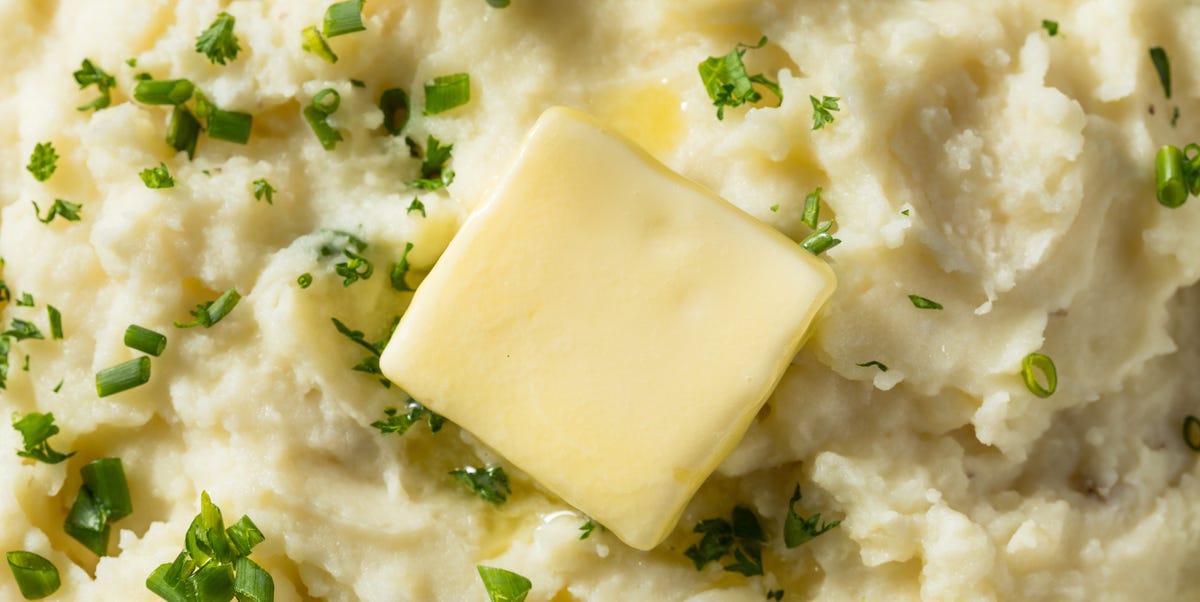
Ah, the humble potato. When transformed into a velvety, cloud-like mound, few dishes evoke such universal comfort and joy as a perfectly crafted bowl of mashed potatoes. They are the quintessential side dish, gracing holiday tables alongside roasted turkeys and hams, yet equally cherished as a comforting weeknight treat. However, the journey to achieving that ideal balance of creamy richness and ethereal fluffiness can be fraught with peril. Many home cooks battle the dreaded lumpy mash or, even worse, a gummy, starchy texture that can derail even the most well-intentioned meal.
The good news? Crafting truly exceptional mashed potatoes isn't about secret ingredients or complex techniques, but rather understanding a few fundamental principles and employing the right tools. In this comprehensive guide, we'll demystify the art of the perfect mash, ensuring your efforts result in a dish that is irresistibly smooth, rich, and utterly free from that unpleasant, sticky chew. Prepare to unlock the secrets to mashed potatoes so good, they might just change your life (or at least your holiday cooking sanity!).
The Foundation: Choosing the Right Potatoes for Unbeatable Mash
The journey to transcendent mashed potatoes begins not in the pot, but in the produce aisle. The type of potato you select plays a pivotal role in determining the final texture of your mash. Not all potatoes are created equal when it comes to mashing success.
Russets vs. Yukon Golds: Starchy Superstars
For the ultimate in creamy, fluffy mashed potatoes, you want to gravitate towards high-starch potatoes. These varieties have a drier, floury texture when cooked, making them ideal for absorbing butter and cream without becoming watery or dense. The two undisputed champions in this category are:
- Russet Potatoes: Also known as baking potatoes, Russets are incredibly high in starch and low in moisture. When cooked and mashed, they break down beautifully, yielding a light, airy, and wonderfully fluffy texture. They tend to produce a slightly lighter, almost snow-like mashed potato.
- Yukon Gold Potatoes: These medium-starch potatoes offer a naturally buttery flavor and a creamier, denser consistency than Russets. Their golden flesh contributes a beautiful color to the mash. Many chefs swear by Yukon Golds for their inherent richness.
You can use either Russets or Yukon Golds exclusively, or for the best of both worlds – a mash that's both fluffy and inherently creamy – consider a 50/50 blend. This combination offers the lightness of Russets with the buttery depth of Yukon Golds, creating a truly balanced and delightful experience.
To Peel or Not to Peel?
This is largely a matter of personal preference, dictated by the desired outcome. For the smoothest, most luxurious and creamy mashed potatoes, peeling the potatoes before boiling is the way to go. The skins, while nutritious, can interfere with achieving that silky-smooth texture.
However, if you appreciate a more rustic, slightly chunkier mashed potato with a little added texture and earthy flavor, feel free to leave the skins on. Just ensure you give them a thorough scrub before cooking. The choice is yours, but for a truly "oh-so-smooth" experience, grab that peeler!
Mastering the Mash: Tools and Techniques for Creamy Perfection
Once you've selected your spuds, the next crucial steps involve preparing and cooking them correctly, followed by the actual mashing process. This is where many aspiring mashed potato masters go astray, inadvertently introducing the dreaded gumminess.
The Power of the Potato Masher (and Why to Avoid Mixers)
This is arguably the most critical piece of advice for achieving gummy-free mashed potatoes: choose your mashing tool wisely! The secret to preventing gummy mashed potatoes lies in minimizing how much you "work" the potatoes once they're cooked. Overworking cooked potatoes releases excessive amounts of starch, turning them into a gluey, unappetizing mess.
- The Manual Potato Masher: This humble tool is your best friend. With a little elbow grease, a classic potato masher allows you to break down the potatoes while still keeping the starch content in check. You control the amount of pressure and how finely you mash, making it less likely to overdo it.
- The Potato Ricer or Food Mill: For the absolute smoothest, most ethereal mashed potatoes, a potato ricer or food mill is unmatched. These tools push the cooked potatoes through small holes, creating individual strands or 'rice' that incorporate dairy and butter beautifully without ever being overworked. They are highly recommended for a truly restaurant-quality texture.
What to Avoid at All Costs: Never, ever use an electric mixer, food processor, or blender for your mashed potatoes. While tempting for their speed, these high-speed appliances are designed to emulsify and break down ingredients finely. In the case of potatoes, this vigorously agitates the starch molecules, leading directly to that sticky, gummy texture you're trying to avoid. Embrace the manual touch!
For even more detailed guidance on achieving that perfect, ethereal texture, be sure to explore our article on Creamy, Fluffy Mashed Potatoes: Top Tips for Perfect Texture.
Pre-Mashing Prep: Uniform Cooking is Key
Before boiling, cut your potatoes into evenly sized pieces – halves or quarters work well depending on the size of the potatoes. The goal here is uniformity. If your potato pieces are of different sizes, some will overcook and become waterlogged while others remain undercooked and stubbornly hard, leading to lumpy mashed potatoes. Starting them in cold, salted water (enough to cover them by an inch) and bringing them to a boil allows for more even cooking throughout.
The Ideal Boil: Fork-Tender, Never Mushy
Boiling potatoes typically takes around 20-30 minutes, but always rely on the "fork test" rather than a strict timer. Insert a fork into a potato piece; it should slide in with absolutely no resistance and the potato should feel like it's on the verge of falling apart. If you meet any resistance, keep cooking. Undercooked potatoes will result in a stubbornly lumpy mash. However, be careful not to overcook them to the point of disintegration, as they can become waterlogged.
Once perfectly tender, drain the potatoes thoroughly. For an extra step towards truly fluffy mashed potatoes, return the drained potatoes to the hot, empty pot over low heat for a minute or two. This allows any residual surface moisture to evaporate, ensuring your mash isn't watery and can better absorb the rich dairy you're about to add.
Elevating Flavor and Texture: Dairy, Seasoning, and More
With perfectly cooked and mashed potatoes as your base, it's time to infuse them with rich flavor and that irresistible creamy texture.
The Creamy Conundrum: Half-and-Half, Cream, or Milk?
The choice of dairy dramatically impacts the richness and consistency of your mashed potatoes. Many recipes, including some of our favorites, champion half-and-half as the ideal choice. It strikes a perfect balance, delivering a luxurious creaminess without being overly heavy. You get the richness you crave without the mash feeling greasy or dense.
- Heavy Cream: For the most decadent, rich, and velvety mashed potatoes, heavy cream is your go-to. It will produce a supremely indulgent dish.
- Whole Milk: If you prefer a lighter, less rich mash, whole milk is a good alternative. It still contributes to creaminess but with less fat.
Pro Tip: Always warm your dairy (and butter!) slightly before adding it to the hot potatoes. Adding cold liquids can cool down your potatoes, making them harder to mash smoothly and affecting the overall texture. Start with a smaller amount of warm liquid and gradually add more, mashing as you go, until you reach your desired consistency. It's much easier to add more liquid than to fix an overly thin mash!
And, of course, no creamy mashed potatoes are complete without generous amounts of good quality butter. Unsalted butter allows you to control the overall saltiness of the dish, but don't be afraid to experiment with browned butter for an incredible nutty depth of flavor.
Beyond the Basics: Seasoning for Sensation
While potatoes, butter, and cream are the stars, proper seasoning elevates your mashed potatoes from good to unforgettable.
- Salt and Pepper: These are non-negotiables. Use a good quality salt (kosher or sea salt) and freshly cracked black pepper. Add them gradually, tasting as you go, until the flavor pops.
- Garlic: A classic pairing. Stir in some garlic powder, or for a deeper, sweeter flavor, try roasted garlic cloves mashed directly into the potatoes.
- Fresh Herbs: Finely chopped chives, parsley, or even a hint of fresh thyme can add brightness and a gourmet touch.
- Cream Cheese or Sour Cream: For an added layer of tang and richness, a dollop of cream cheese (as favored in some beloved recipes) or sour cream can work wonders, contributing a lovely depth that complements the other flavors.
Make-Ahead Magic: Enjoying Mashed Potatoes Stress-Free
One of the true beauties of a well-made mashed potato recipe is its make-ahead potential. This is especially valuable during busy holidays like Thanksgiving, where oven space and time are precious commodities. Preparing your mashed potatoes in advance can be a game-changer for your sanity and your schedule. For a deep dive into advanced preparation, explore our guide on Make-Ahead Mashed Potatoes: Your Guide to Stress-Free Holidays.
Reheating for Rave Reviews
If made with ample butter and cream, mashed potatoes reheat wonderfully. The key is to add a little extra liquid (milk, cream, or even chicken broth) to loosen them up and keep them moist.
- Oven Method: Transfer the mashed potatoes to an oven-safe dish, add a splash of warm milk or cream, cover tightly with foil, and reheat at 325-350°F (160-175°C) for 20-30 minutes, or until heated through, stirring halfway.
- Stovetop Method: Place the mashed potatoes in a heavy-bottomed pot over low heat, adding a tablespoon or two of warm liquid. Stir frequently until warmed through and creamy again.
Freezing for Future Feasts
Yes, you can absolutely freeze mashed potatoes! Thanks to the generous amounts of butter and cream in a good recipe, they hold their creamy texture beautifully once thawed. Pack them into freezer-safe containers or heavy-duty freezer bags (removing as much air as possible) and freeze for up to one month. Thaw overnight in the refrigerator before reheating using one of the methods above, adding extra liquid as needed.
Crafting the best mashed potatoes isn't just about following a recipe; it's about understanding the nuances of the ingredients and techniques. By selecting the right potatoes, using the proper mashing tools, cooking them to perfection, and infusing them with rich, warm dairy and thoughtful seasoning, you can consistently achieve a creamy, fluffy, and utterly gummy-free dish. These tips will empower you to create mashed potatoes that are not just a side, but a star – a comforting classic that will bring joy to every meal and simplify your culinary life. Happy mashing!
